Exploring the Historical Evolution and Future of Masonry Techniques Mar 20, 2026
From the majestic pyramids of Egypt to the enduring structures of the Roman Empire, masonry's historical roots are profound. These early applications utilized natural materials like stone and clay to create edifices that stood the test of time. The ancient masons were not only artisans but also architects and engineers, perfecting their craft over generations. Techniques such as rubble masonry and ashlars facilitated erecting robust walls and intricate architectural wonders. Modern-day companies owe much to these timeless practices, which form the foundation of their work.
As civilization progressed into the Medieval and Renaissance periods, decorative potential gained prominence alongside structural concerns. This era witnessed a significant evolution, with masons employing intricate techniques to realize Gothic cathedrals and Renaissance palaces. The introduction of materials like brick further expanded possibilities, allowing for more diverse and elaborate constructions.
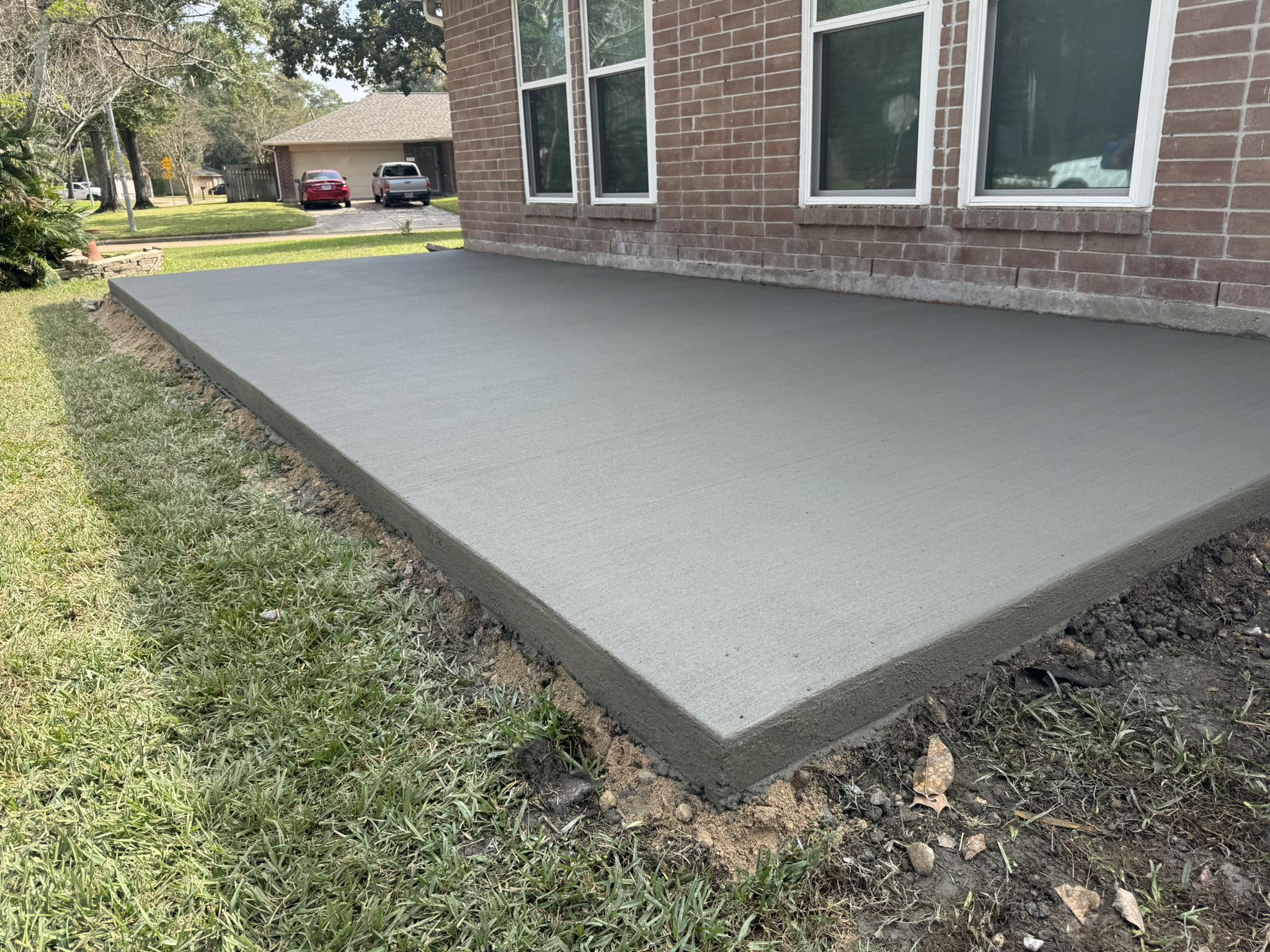
In the modern industrial era, the landscape of masonry transformed dramatically. The industrial revolution ushered in new technologies and materials, enabling mass production and scalability. Concrete emerged as a revolutionary material, providing unmatched strength and versatility. Urban Stone, for example, has capitalized on these advancements to offer expansive services including concrete restoration and enhancement. Reinforced masonry techniques allowed for larger and more resilient structures, an evolution marked by towering skyscrapers and sprawling urban developments.
But what does the future hold for masonry techniques? As sustainable construction becomes increasingly crucial, the future lies in innovation. Urban Stone is at the forefront of this transformation, integrating eco-friendly practices into their services. The exploration of sustainable materials like recycled glass and fly ash in concrete mixes holds promise for minimizing environmental impact. Moreover, advancements in digital technology, such as Building Information Modeling (BIM), are redefining how masonry projects are designed and executed, improving efficiency and precision.
The notion of smart masonry techniques is equally captured by developing responsive facades and thermally adaptive materials. These innovations not only optimize energy use but also enhance the aesthetic and functional value of constructions. Urban Stone’s commitment to adopting cutting-edge techniques ensures that they remain leaders in this forward-thinking industry, offering clients solutions that are as resilient as they are visionary.
As we reflect on the historical evolution of masonry techniques, it is clear that this age-old practice is far from obsolete. Its transformation over the centuries underscores a remarkable journey of resilience and adaptation. Modern companies, equipped with both historical wisdom and technological advancements, continue to uphold the legacy while paving the way for a future that harmoniously blends sustainability with architectural grandeur.
In conclusion, Urban Stone understands that the mastery of masonry is not just about the methods but also about an enduring commitment to creativity and innovation. By honoring tradition while embracing future enhancements, they remain dedicated to crafting spaces that are as enduring as they are beautiful, helping to define the very essence of our built environment.
/filters:no_upscale()/filters:format(webp)/media/f7bf0c56-6ba1-453e-9056-11c482cf3939.jpeg)